

Teen & Child Therapy
When your kid is struggling, finding the right support makes all the difference.
You know your child better than anyone. So when something feels off, you notice. Maybe they've gotten quieter. Maybe the meltdowns are bigger. Maybe school has become a battle. Maybe you just sense that they're carrying something they can't put words to yet.
You're not overreacting. And reaching out for support is one of the best things you can do for them.
Parents reach out to us when...
Every kid is different, and so is every family. But some common patterns bring parents to our door:
Your child's anxiety is getting in the way of school, friendships, or everyday activities
Mood changes feel bigger or more persistent than typical growing pains
They're withdrawing from family, friends, or things they used to enjoy
Big feelings are coming out sideways: tantrums, defiance, shutting down, or lashing out
A divorce, move, loss, or family change is hitting them hard
You're worried about their self-esteem, body image, or social media use
School refusal or school anxiety has become a pattern
They're exploring identity (gender, sexuality, who they are) and need a safe space
Your teen is pulling away and you're not sure how to stay connected
You've tried everything you can think of at home and you need backup
You don't need to have it all figured out before calling. That's what we're here for.
How we work with teens and kids at DCA
Therapy for young people looks different. That's by design.
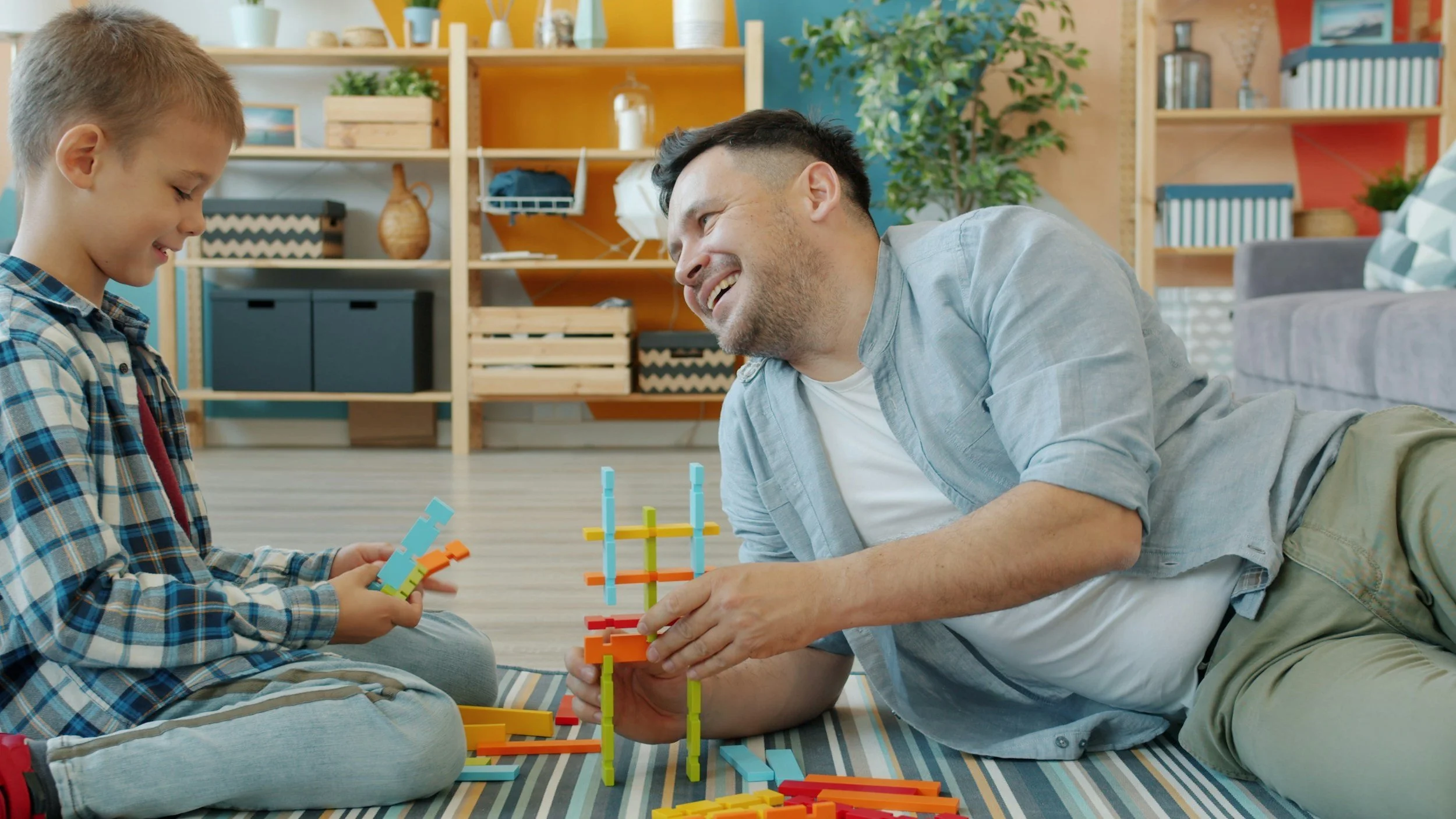
Kids and teens don't usually sit on a couch and talk about their feelings for 50 minutes (and we don't expect them to). Our therapists meet young people where they are, using creative, developmentally appropriate approaches that actually engage them.
We also know that supporting a child means supporting the family. Your therapist will collaborate with you on what's working, what's not, and how to strengthen the connection at home.

Our therapists are trained in approaches designed specifically for younger clients:
Play therapy: the natural language of childhood. Through play, kids process emotions they can't yet put into words
Sand tray and creative arts: symbolic, expressive work that helps kids and teens explore their inner world without pressure to "talk about it"
CBT for kids and teens: age-appropriate tools for managing anxious thoughts, building coping skills, and navigating social situations
ACT for teens: helping adolescents connect with their values and build psychological flexibility during a time when everything feels like a lot
Mindfulness-based approaches: grounding skills that help young people manage overwhelm and build emotional awareness
Family-centered work: coaching parents and caregivers alongside the child's therapy, because what happens in session works best when it's reinforced at home
Solution-focused approaches: building on strengths and celebrating progress rather than focusing only on problems
Your child's therapist will adapt based on what actually works for your kid, not what a textbook says should work.
What to expect when your child starts therapy
The first session usually involves a parent meeting (sometimes with your child, sometimes just you). This gives us the full picture: what you're seeing at home, school history, family dynamics, and what you're hoping for.
From there, your child's sessions are their space. What happens in the room stays between your child and their therapist, with two important exceptions: safety concerns and periodic parent check-ins where we'll share themes and progress (without breaking your child's trust).
For younger kids, sessions might involve art, sand tray, games, stories, or play. For teens, it's more conversational but still flexible. Some teens open up while drawing. Others need a few sessions before they stop giving one-word answers. That's all normal.
Most young clients come weekly. Sessions are available both in person at our Austin office and virtually across Texas.

The right fit matters even more with kids
A teen who clicks with their therapist will do the work. A teen who doesn't will sit in silence and count ceiling tiles. We take matching seriously because the relationship IS the therapy, especially with younger clients.
Our intake manager will ask about your child's personality, interests, and what kind of adult they tend to open up to. Then we'll pair them with someone who fits.
Common questions from parents
-
We work with children as young as age 7 using play-based approaches. That said, we have limited availability for younger children, so we recommend reaching out early so we can find the right fit or connect you with a referral if needed.
-
Trust your instincts. If something feels different, if it's lasting longer than you'd expect, or if it's affecting their school, friendships, or home life, it's worth exploring. Therapy doesn't have to be a last resort. A few sessions can give both you and your child tools even if the issue turns out to be developmental.
-
We balance transparency with your child's need for a safe space. Your therapist will share general themes, progress, and any safety concerns. But the specific details of what your child says stay confidential. This is what allows kids to trust the process and open up.
-
Super common, especially with teens. Some tips: let them know it's not a punishment. Frame it as "someone who's on your side." Let them know they can talk about whatever they want (or not talk at all at first). Most resistant teens warm up within 2-3 sessions once they realize the therapist isn't going to lecture them.
-
Yes, to the degree that's helpful. For younger kids, parent involvement is more hands-on (coaching, family sessions). For teens, it's more collaborative check-ins. Your child's therapist will talk with you about what level of involvement makes sense and if Family Therapy is a good option as well.
-
Yes, we're in-network with several major insurance plans. Sessions range from $100 to $190 depending on your clinician. Learn more on our Cost & Coverage page.

You don't have to figure this out alone
Parenting a struggling kid is one of the loneliest feelings in the world. You're Googling at midnight, second-guessing every decision, wondering if you're making it worse.
You're not making it worse. You're looking for help. And that's exactly the right move.
Our matching process considers your child's age, personality, and what they're going through so we can pair them with a therapist they'll actually connect with.